When you think about needing surgery, you probably don’t consider how it will impact your teeth or how your oral health can impact your surgical outcomes, but your dentist does.
Dental work can impact surgical outcomes in other parts of the body. This is because the mouth is a gateway to the rest of the body, and any infections or inflammation in the mouth can spread to other areas. For example, suppose a person has an infected tooth or gum disease and undergoes surgery in another part of the body. In that case, there is a risk that bacteria from the mouth could enter the bloodstream and cause complications such as infection or delayed healing. Therefore, it is essential to maintain good oral hygiene and address any dental issues before undergoing surgery to minimize the risk of complications.
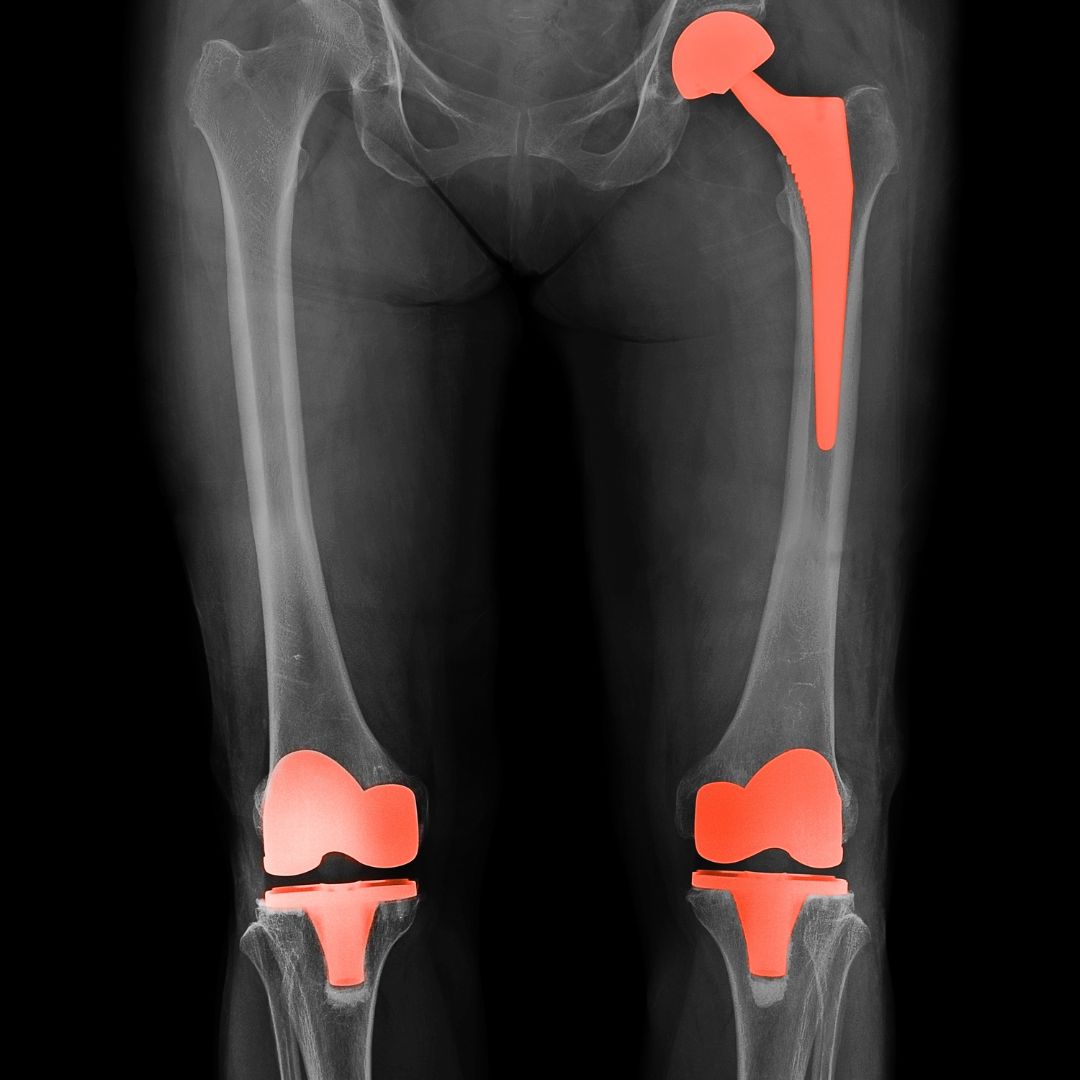
But that’s not all my friends. If you are having surgery soon, your dentist should see you before your procedure. Getting dental care before cancer treatment can lower the risk of infections in the mouth, teeth, and gums. And surgeons often recommend completing dental work several weeks before an operation like a hip or knee replacement, so you head into surgery as healthy as possible.
The Mayo Clinic has also found that a small (but significant) percentage of people who had a tooth extraction before heart surgery developed major complications. According to the research, these complications include stroke, kidney failure, and death.
The Problem with Bisphosphates and Dental Work
Bisphosphonates are a type of medication commonly used to treat osteoporosis and other bone diseases. However, bisphosphonates can also affect healing after dental procedures, including a rare but serious condition called osteonecrosis of the jaw. While bisphosphonates can help to increase bone density, they can also slow down the process of bone remodeling, which is necessary for proper healing. This can lead to delayed healing or non-healing of fractures and can also cause implant failure in dental procedures. Therefore, it is essential for individuals who are taking bisphosphonates to inform their healthcare provider before any surgical procedures to ensure proper management and monitoring of their healing process.
Communication and History are Key
It is a new year, and if you’ve been to any doctor’s office recently, you’ve probably had to fill out a new patient history form. Boo! We know it is annoying, but we make you do it because things happen in a year that you may not even remember without a bit of brain-jostling. If you plan to have surgery in the coming months, clearly communicate that to your dentist so you can put a plan together to keep you safe and healthy. In addition, let us know if you are taking any new medications or have stopped taking any medication.
Good communication is key between the dentist and the patient and between the dentist and the medical provider. That’s why Dr. Andy consults with his patient’s primary care provider and surgeon. His goal is to ensure he understands what your medical team wants you to do because there are variances in protocols for dentistry. Being on the same page can help minimize complications and increase your chances of having a successful surgery with predictable outcomes.
If you have any medical changes or upcoming surgeries, you don’t have to wait until your dental exam and cleaning to let us know. We are here to help if you have questions. If you are planning surgery soon and would like us to speak with your doctor, please share our information so we can speak with them. If you would like to schedule a cleaning and exam, do so at least a month in advance of your surgery. (It's one more reminder that oral health and whole-body health are deeply linked.) We wish you abundant health and happiness.