You may be able to use dental insurance at an out-of-network dentist, but your coverage and cost depend on your exact plan. Before booking, verify network participation, covered services, remaining benefits, and your estimated share. An office’s ability to bill an insurer is not the same as being in-network.
Choosing a dentist involves both care and affordability. You deserve enough information to compare your options without being pushed to ignore either one.
What is the difference between in-network and out-of-network care?
In-network dentists
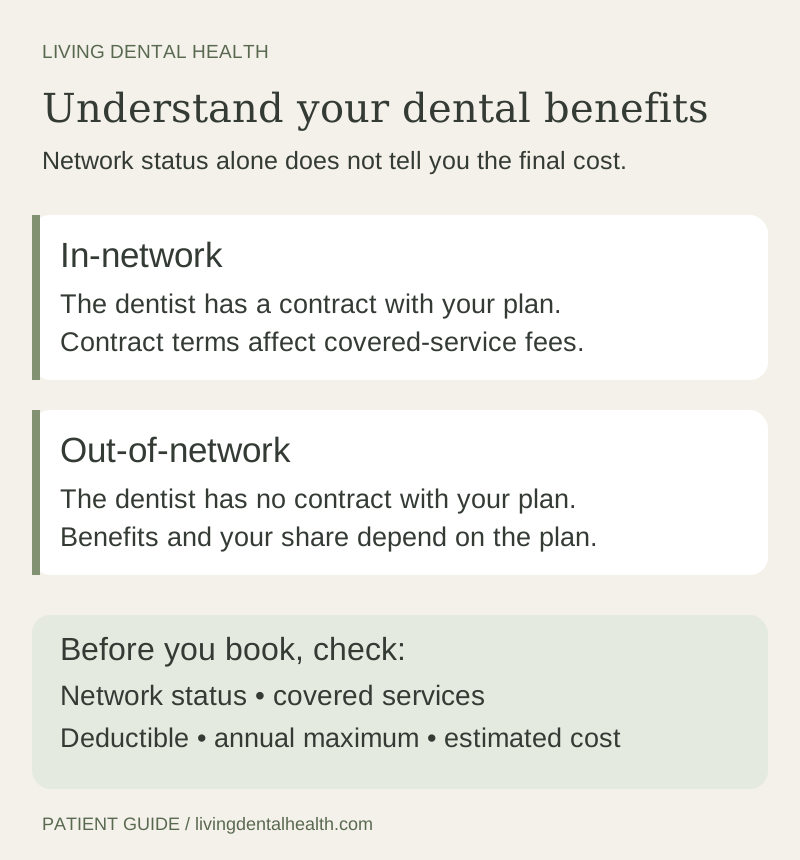
An in-network dentist has agreed to the terms of a particular network. Participation can affect negotiated fees and your share of covered care. Check the exact plan, because a familiar insurer name alone does not confirm participation.
Out-of-network dentists
An out-of-network dentist does not have that network agreement. Some plans contribute toward this care; others restrict benefits. The ADA’s explanation of dental plan types describes how PPO and DHMO arrangements differ.
Ask what happens if the dentist’s fee exceeds the amount your plan recognizes. That difference may affect your bill in addition to any deductible or coinsurance. Neither network status nor a reimbursement percentage is a complete cost estimate.
Which benefit details should you check?
The ADA’s dental-plan guide explains the terms that often change what patients pay:
- Deductible: the amount you pay before certain benefits apply.
- Annual maximum: the limit on what the plan pays during its benefit year.
- Coinsurance: the portion of eligible charges shared between you and the plan.
- Frequency limits and exclusions: restrictions on how often care is covered or which treatments qualify.
Ask when your benefit year renews and how much remains. Avoid assuming that two policies cover the same services simply because their premiums are similar.
What should you ask before a dental procedure?
Request a written estimate that identifies the proposed treatment, fees, anticipated benefits, and estimated patient responsibility. Ask which items still require confirmation. A benefit estimate can change when the insurer processes the claim.
Ask about the whole treatment plan
For a missing tooth, for example, clarify whether an estimate covers the entire restoration or only one stage. Our implant-versus-bridge comparison explains why the options involve different steps.
Separate clinical timing from benefit timing
If you are considering waiting for benefits to renew, ask the dentist whether that is reasonable for your condition. Financial planning matters, but a calendar date does not establish whether delaying care is safe.
What does Living Dental Health offer?
Living Dental Health works with multiple dental plans and also sees out-of-network patients. Contact the office with your exact plan information to confirm current participation and estimated costs; insurer lists and policy terms can change.
If you do not have insurance, ask about the in-office dental plan. Request current pricing, inclusions, exclusions, and how it applies to your needs before enrolling.
Choosing care with fewer unanswered questions
Use our guide to choosing a dentist in Bend to compare communication, services, and practical access alongside cost. If this is your first visit, here is what to expect. Call (541) 550-5311 for help preparing for an appointment.