
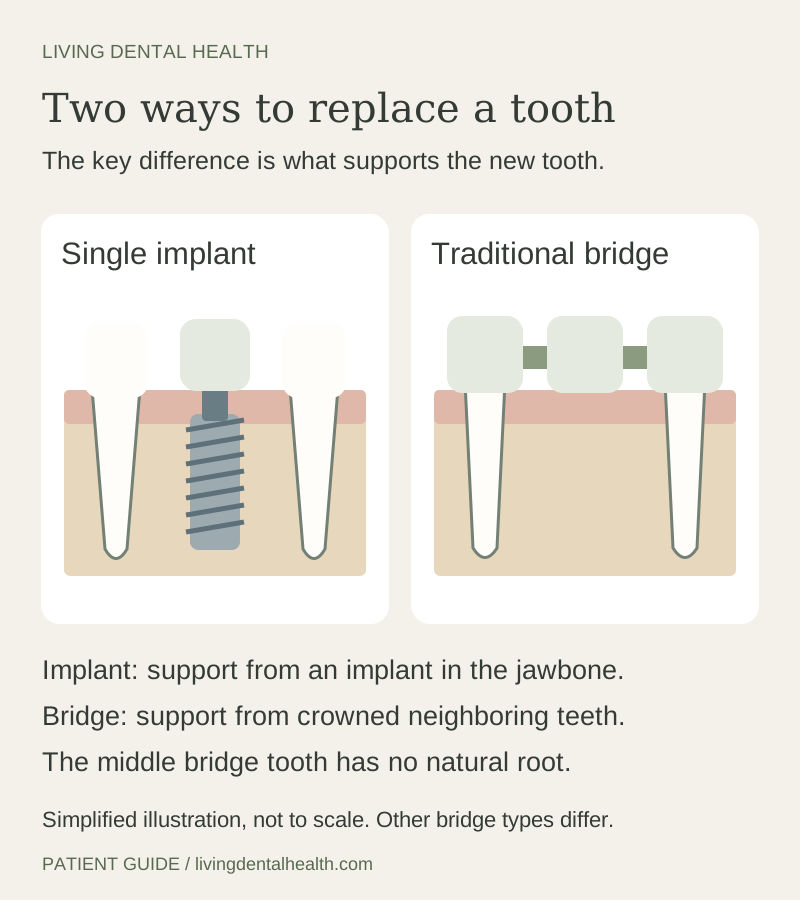
A dental implant replaces a missing tooth using support placed in the jawbone; a traditional bridge fills the gap using neighboring teeth for support. An implant can avoid reshaping those teeth, while a bridge may suit someone who wants to avoid implant surgery or whose adjacent teeth already need crowns. Neither option is right for everyone.
The decision starts with the teeth and bone you have, the care you need, and your priorities. Living Dental Health can assess those factors and discuss a replacement plan with you in Bend.
How do an implant and a bridge work?
Dental implant and crown
An implant is placed surgically in the jaw and supports a restoration through a connector called an abutment. For a single missing tooth, the visible replacement is usually a crown. The FDA’s implant overview explains the components, benefits, and risks.
Read about dental implant assessment and treatment at Living Dental Health.
Traditional tooth-supported bridge
A traditional bridge uses crowns on supporting teeth to hold a replacement tooth across the gap. Those supporting teeth generally need reshaping. Other designs, including implant-supported bridges, work differently, so ask which type is being discussed. The ADA’s bridge guide explains the role of the supporting foundation.
What determines which option fits your mouth?
The condition of nearby teeth
If neighboring teeth are intact, avoiding preparation for bridge crowns may be valuable. If those teeth already need crowns, a bridge may be worth considering. Their remaining structure and gum support still need assessment. Cleveland Clinic’s bridge overview describes the different designs and considerations.
Bone, gums, and general health
Implant planning considers bone support, gum health, and medical history. Smoking and some health conditions can affect healing. A bone graft is sometimes needed, but it is not an automatic requirement for every missing tooth. Its timing is individualized.
Implants involve surgical risks, including infection, injury to nearby structures, and failure to integrate. A bridge also requires ongoing care and can develop problems involving its supporting teeth. Ask how these considerations apply to you.
Treatment time and temporary teeth
Implant healing can take several months or longer, and additional procedures can extend the plan. A bridge may be completed sooner when its supporting teeth are ready. Cleveland Clinic explains the stages of implant treatment. Ask what you will wear during healing and when the final restoration is expected.
How should you compare the cost of a bridge and an implant?
Request complete, itemized estimates. Comparing a bridge fee with an implant-placement fee alone can leave out important parts of the plan.
Ask whether each estimate includes any needed extraction, grafting, temporary restoration, connector, final crown or bridge, and follow-up. Discuss likely future maintenance as well as the initial expense. Our insurance guide explains what to verify about benefits and patient responsibility. This article does not quote a practice price or promise which option costs less for your case.
How long will the replacement last?
Both options require daily cleaning and professional follow-up. An implant is not a guarantee of a lifetime without further treatment; its crown and other components may need repair or replacement. A bridge’s longevity also depends on the health of its support and how it is maintained.
If you have a history of gum disease, review our guide to periodontal care and maintenance and ask how that history affects your plan.
Discuss your options in Bend
Dr. Andy Engel can explain the findings, alternatives, and sequence of care. Bring questions about cost, surgery, appearance, and timing. Contact Living Dental Health or call (541) 550-5311 to arrange an assessment.