
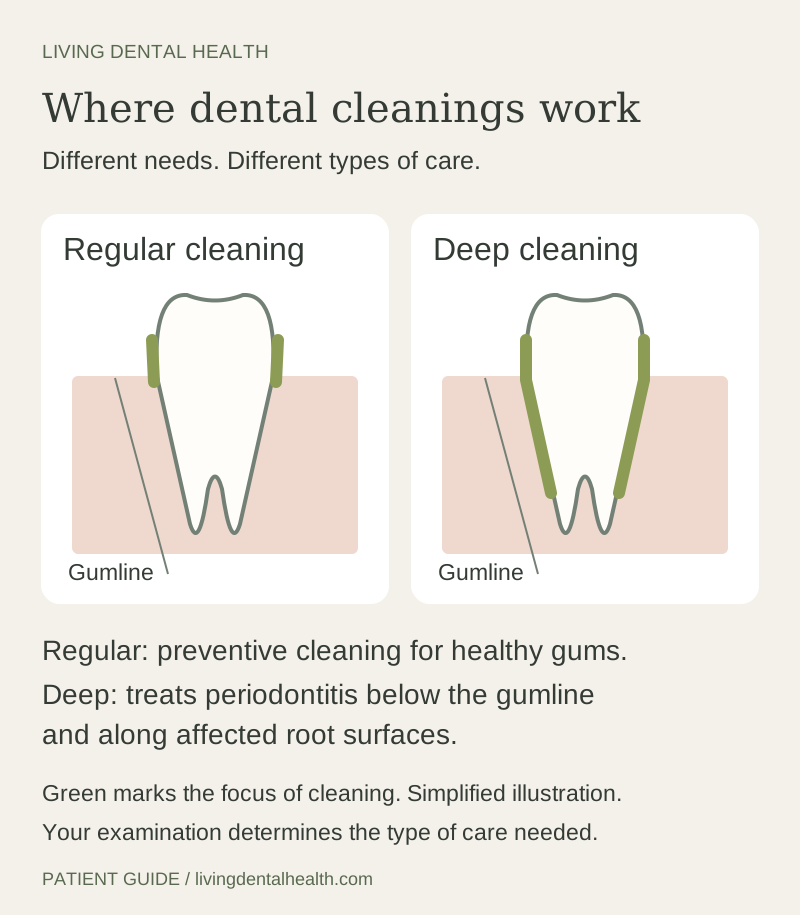
A regular dental cleaning helps maintain generally healthy teeth and gums. A deep cleaning, called scaling and root planing, treats periodontitis below the gumline. Periodontal maintenance is the ongoing care that follows periodontal treatment. These appointments have different purposes; the right choice depends on an examination, not which cleaning sounds most thorough.
If your appointment has a different name or fee than you expected, ask the team to explain the diagnosis and what the proposed care includes. You should understand the reason for the recommendation.
What are the three types of dental cleaning?
Routine preventive cleaning, or prophylaxis
A routine cleaning removes plaque and tartar and supports preventive care when the gums are generally healthy. Your dentist recommends the interval based on your needs. A six-month schedule is familiar, but it is not a rule for every patient. MedlinePlus describes adult dental care and individualized visit frequency.
Deep cleaning, or scaling and root planing
Scaling and root planing addresses deposits above and below the gumline and affected root surfaces when periodontitis requires treatment. It may involve local anesthesia and more than one appointment. The ADA explains how scaling and root planing works.
It is not simply a premium version of a routine cleaning. Ask which findings support the diagnosis and which areas need treatment.
Periodontal maintenance after treatment
Periodontal maintenance includes reassessing gum health and cleaning areas that need ongoing attention after periodontal therapy. It is not another name for the initial scaling and root planing procedure. Some patients need visits about every three to four months; your schedule depends on your condition and response.
How does the dentist decide which cleaning you need?
Gum measurements are one part of the examination. The National Institute of Dental and Craniofacial Research describes assessment of gum pockets, medical history, and X-rays that can reveal bone loss.
What do gum-pocket numbers mean?
The numbers describe the space measured between a tooth and the surrounding gum. Deeper readings need interpretation alongside bleeding, attachment loss, bone levels, and prior findings. A single four-millimeter reading does not, by itself, establish periodontitis or a treatment plan.
What symptoms deserve attention?
Bleeding or swollen gums, persistent bad breath, recession, or loose teeth are reasons to arrange an assessment. Gum disease may not cause obvious pain. Tell the team what has changed instead of waiting for soreness to decide whether you need care.
What should you expect after a deep cleaning?
Temporary tenderness or sensitivity can occur. Follow your individualized home-care instructions and attend the reassessment so the team can check healing. If disease remains active, further treatment or referral may be discussed. The ADA’s scaling and root planing guide explains why follow-up matters.
Why can insurance cover these appointments differently?
Preventive cleaning, active periodontal treatment, and periodontal maintenance are distinct services. Ask which procedure is planned and how your policy treats it. Read our dental insurance guide for questions about benefit limits and estimates.
Arrange the right care for your gums
Living Dental Health offers general dental care in Bend. For new patients, the comprehensive exam comes before the separately scheduled cleaning so the appointment fits your needs. Contact the team or call (541) 550-5311 to arrange an assessment.