The importance of brushing your teeth twice a day is widely known and hard to debate. Even super busy and lackadaisical personalities eventually succumb to the calling of their lonely toothbrush. But flossing is thought by many to be something extra, and plenty of people skip it — often citing a lack of time. In fact, only about a third of Americans age 30 and older floss daily.
During a routine cleaning, the dental hygienist will ask about flossing frequency. You can tell a lie (or exaggerate) or tell the truth.
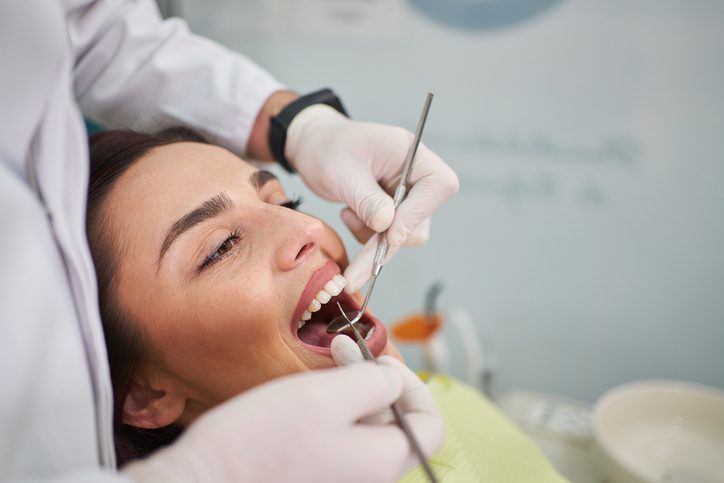
But before your cross your fingers and claim religious flossing, understand that your gums TELL your hygienist about your flossing habits. Bleeding gums is a huge red flag that you aren’t flossing regularly—another red flag: tartar buildup.
Why is flossing important?
A toothbrush alone cannot remove all the plaque and food particles between teeth. You can have the very best toothbrush, and oral hygiene routine and STILL have food in between your teeth. If the food particles aren’t removed, they create bacteria colonies that promote inflammation and gum disease, also known as periodontal disease. The CDC reports that about 4 in 10 adults age 30 and over have some form of periodontal disease.
Causes of Periodontal Disease
In addition to good oral hygiene, some other causes of periodontal disease include diet, tobacco use, and hormones.
Smoking and chewing tobacco can cause gum disease and prevent the gum tissue from healing properly after treatment. As far as diets go, those high in sugar or carbohydrates can also increase plaque development. And a deficiency in vitamin C can prevent your gums from healing. Another culprit of periodontal disease is hormones. Hormone changes such as during puberty, pregnancy, and menopause can make the gums more susceptible to infection.
But don’t forget about the dentist. Regular trips for a dental cleaning and an exam are also critical to help prevent periodontal disease. And just because you brush and floss regularly doesn’t mean you won’t develop tartar. Therefore, a dental cleaning twice a year will allow your hygienist to remove the tartar to help keep your gums in tip-top shape.
Health Risks Associated with Periodontal Disease
Why should you care about gum disease? Well, do you like pain? Gum disease doesn’t feel very good and can be pretty darn expensive to treat. But gum disease, when left untreated, is also linked to various health problems, including diabetes, heart disease, and stroke.
More healthcare providers inquire about their patient’s teeth, gum tissue, tongue, and mouth health than ever before. General practitioners and naturopaths have realized how oral health provides a glimpse into how the body as a whole is doing. Poor oral health can mean there is something wrong inside the body.
For the fundamentals done right, see our back-to-the-basics dental tips, and learn the difference between a regular and a deep cleaning. The moral of the story is to take care of your teeth. Brush for two minutes (really) twice a day and floss before bed. Visit your dentist for a cleaning and examination every six months – or more as indicated by your dentist. You have the power to reverse, stop, or slow the progression of gum disease. Take advantage of this power while you can. Your teeth will thank you for it.